

A little bit about me
My name is Zabe,
as a passionate designer living with Autism, ADHD and dyslexia, I bring a unique perspective to the table. I’m constantly seeking the best methods to enhance users’ enjoyment and accessibility of digital products. My expertise spans design and usability to function, branding, and marketing, covering all facets of a product’s lifecycle. I’m committed to shaping the entire journey of a user’s interaction with a product, including uncovering new opportunities for the product and business.
During my studies, I focused on game design. Since then, I’ve always been an advocate for user-centred design and believe it is the key to creating products that truly meet users’ needs. I love the challenge of taking on projects from start to finish, from ideation to live services.
I’m a true all-rounder with skills spanning UX/UI, visual, graphic, content, and interaction design for various screen sizes and devices. And when I’m not designing, you can find me obsessing over running, fitness, and sports.
Thanks for stopping by, and feel free to reach out if you have any questions or just want to chat!
Skills
Interaction design | User Experience Design | User Interface Design
Visual Design | Service Design | Content Design | Web design
Rapid Prototyping | GDS standards | Public Sector
Information Architecture | Accessibility | User Research
Front-End engineering | HTML | CSS | Javascript | Node JS
Tools
GOV.UK prototyping kit | Figma | Sketch | Adobe XD | Miro | Mural
My Design process
I really value the importance of user needs in driving my process. I believe that validated user needs should always be prioritised over personal opinions or stakeholder preferences. This approach ensures that the end product is tailored to the users’ needs and provides the best possible experience for them.

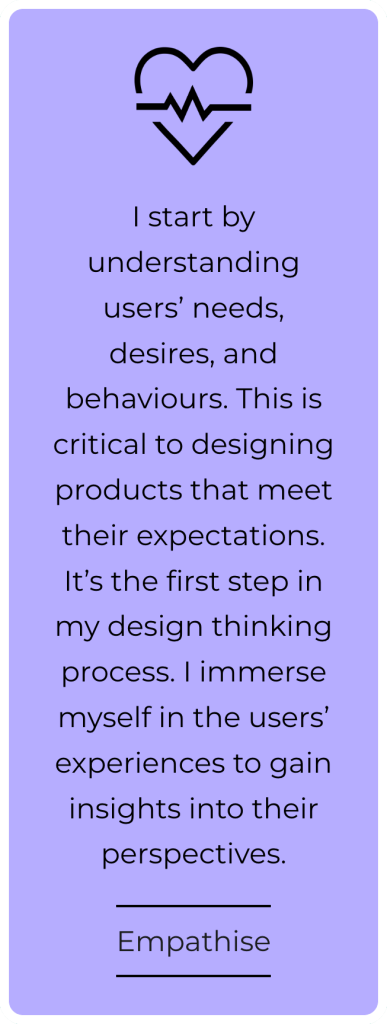
I start by understanding users’ needs, desires, and behaviours. This is critical to designing products that meet their expectations. It’s the first step in my design thinking process. I immerse myself in the users’ experiences to gain insights into their perspectives.
Empathise

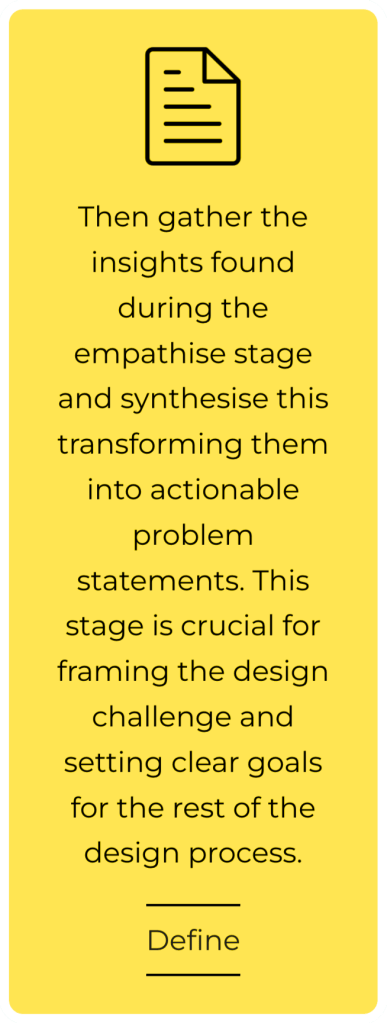
Then gather the insights found during the empathise stage and synthesise this transforming them into actionable problem statements. This stage is crucial for framing the design challenge and setting clear goals for the rest of the design process.
Define
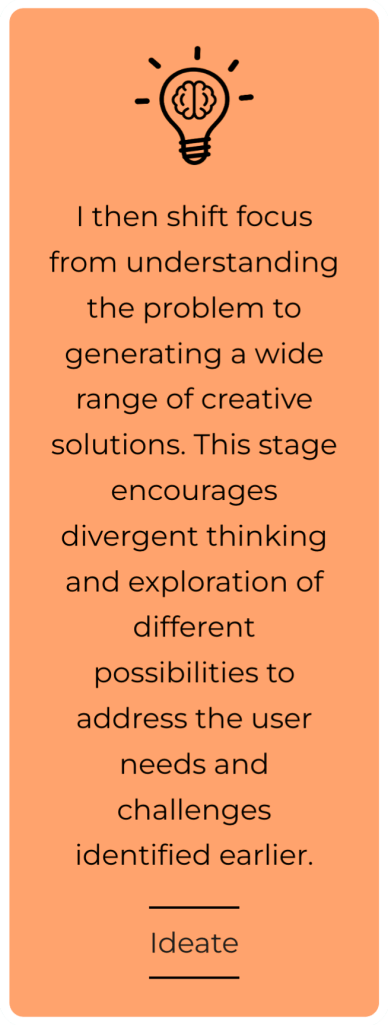
I then shift focus from understanding the problem to generating a wide range of creative solutions. This stage encourages divergent thinking and exploration of different possibilities to address the user needs and challenges identified earlier.
Ideate

I create a tangible representation of the ideas to test and validate them with users. Prototypes can be low-fidelity sketches or wireframes to high-fidelity interactive mockups or prototypes depending on the project’s complexity and the testing goals.
Prototyping

Finally, I evaluate the usability, effectiveness, and overall user experience of the prototypes or designs created. The primary goal of testing is to identify any issues, validate design decisions, and gather insights to iteratively improve the user experience.
Testing
Let’s work together to create something unique! 👨🏻🎨
Get in touch to discuss opportunities
© Zabe Aziz design 2022
 zabeaziz.com